
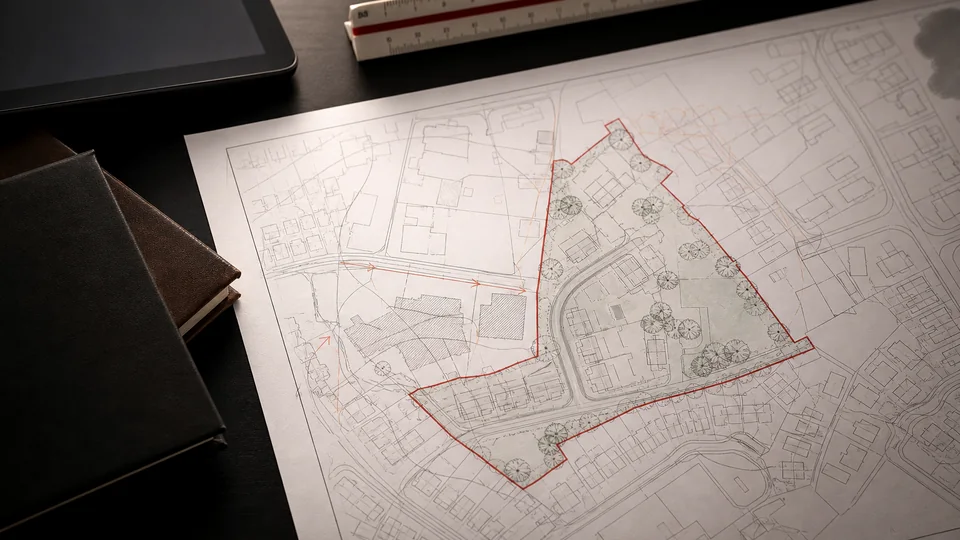
Refusal diagnosis
Identify whether the issue is policy, design, evidence, amenity, process or presentation.
Appeals & refusals
Well Planned reviews refusal reasons, officer concerns and missing evidence to help decide whether to appeal, redesign, resubmit or take a different planning route.
The right response to a refusal depends on why it happened. Sometimes the route is appeal. Sometimes the stronger move is a revised application, better evidence, amended drawings or a clearer planning statement.
Identify whether the issue is policy, design, evidence, amenity, process or presentation.

Compare appeal, redesign and resubmission options before spending time on the wrong path.
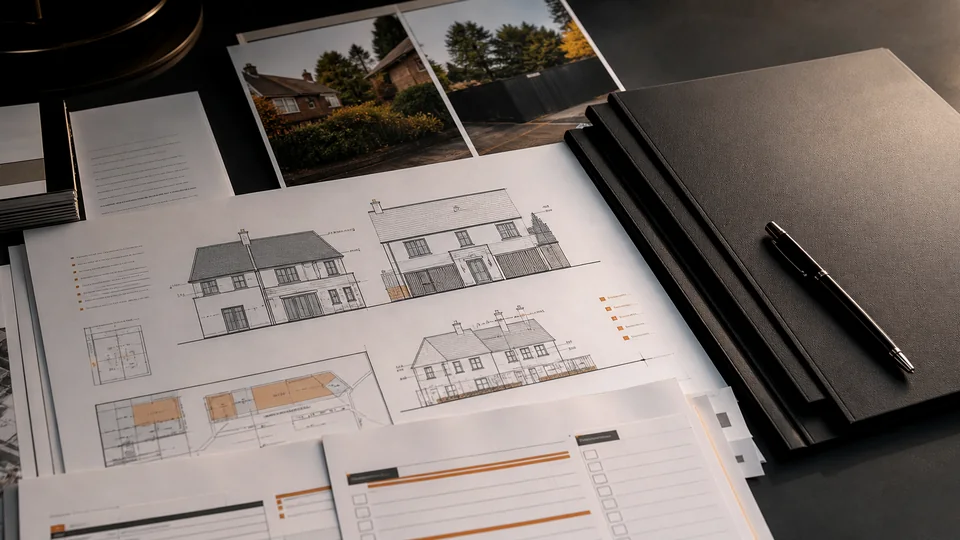
Prepare the next planning move around the exact reasons the first one did not land.
Had a refusal, objection or difficult council response?
Send it for reviewRefusal recovery
A planning refusal should be reviewed against the decision notice, officer report, drawings, policy position and evidence submitted with the original application. The right next step may be an appeal, but it may also be a stronger revised application.
Well Planned helps identify whether the weakness was policy, design, amenity, missing evidence or presentation, then shapes the next route around the issues that actually affected the decision.